Skip to content

Tinton Falls & Parlin, New Jersey

Exceptional dental care you can trust.

Our practice is devoted to comprehensive and preventive patient care. We take great satisfaction in helping you maintain optimal oral health — at two convenient offices in New Jersey.

5.089 Google reviews
  • No waiting
  • Two convenient locations
  • Most insurances accepted
  • Evening & Saturday hours
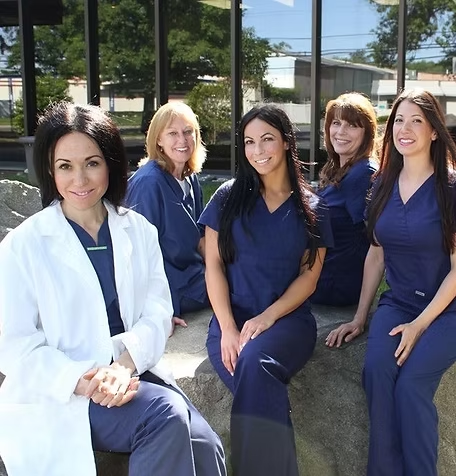
The team at AMG Family Dentistry outside the practice

Modern office, no wait time

Digital, paperless and HIPAA compliant

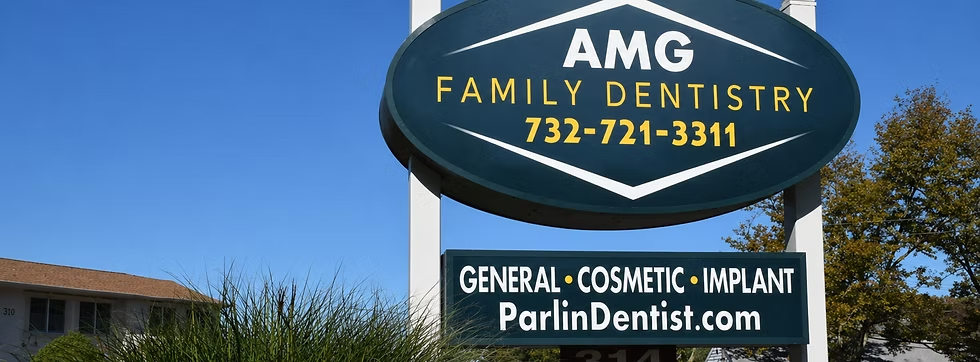
AMG Family Dentistry signage at the Parlin office
Most insurances acceptedCall with your card and we'll check your plan before you book.
Evening & Saturday hoursAppointments outside the working day at both offices.
Two convenient locationsTinton Falls and Parlin, sharing one paperless chart.
Practicing since 1998Dr. Goldenberg has been at this location since 2007.

About AMG Family Dentistry

We believe patients should have as much information as possible.

Our practice is devoted to comprehensive and preventive patient care. We take great satisfaction in helping you maintain optimal oral health. Throughout our website, you will find an abundance of information about our practice, procedures we provide, and dentistry in general. Please explore and learn as much about dentistry and our services as you desire. We believe our patients should have as much information as possible in order to make important, informed decisions regarding their oral health and treatment options.

Please take a few minutes to look through this website to get familiar with our services. We also invite you to email us at info@amgdental.com or call our office at (732) 747-7711 in Tinton Falls, NJ or (732) 721-3311 in Parlin, NJ any time to request an appointment or ask any questions. We strive to develop long-lasting, trusting relationships with all of our patients. Your referrals are always welcome and appreciated. We look forward to seeing you!

What we provide

  • Convenient appointments
  • Two convenient locations
  • No waiting
  • Welcoming and friendly staff
  • Attentive patient experience
Request an appointment

Your dentists

Two dentists, one standard of care

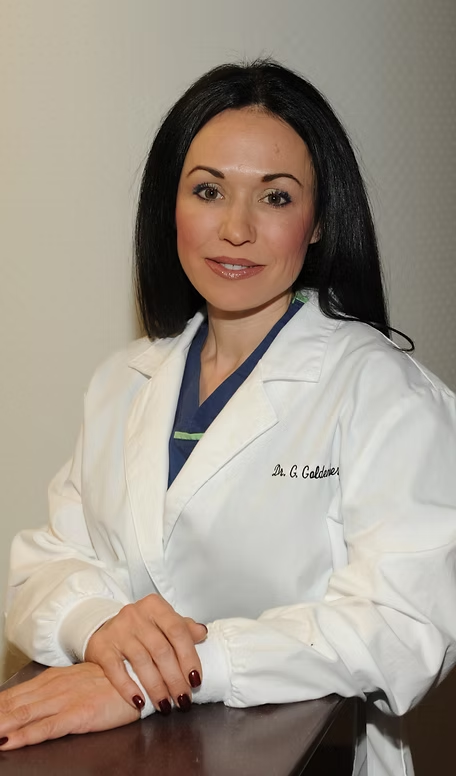
Dr. Galina Goldenberg
  • NYU School of Dentistry, graduated with honors, 1998
  • General Practice Residency, Robert Wood Johnson University Hospital
  • Certified in Invisalign orthodontic treatment
  • At the current location since 2007

Restorative & cosmetic dentistry

Dr. Galina Goldenberg

Dr. Galina Goldenberg is a dentist with advanced training and experience in restorative and cosmetic dentistry. Dr. Goldenberg has been practicing all phases of dentistry since 1998 and is certified in the Invisalign orthodontic treatment. She has extensive training and experience in a wide variety of cosmetic procedures, oral surgery, periodontal treatments, root canal therapies as well as pediatric dentistry.

Dr. Goldenberg graduated with honors from New York University School of Dentistry in 1998 after receiving a Bachelor of Arts degree in Sociology from New York University College of Arts and Sciences. Dr. Goldenberg is distinguished in having completed a highly selective General Practice Residency Program at Robert Wood Johnson University Hospital. After residency, Dr. Goldenberg spent seven years working as an associate dentist and has been in the current location since 2007.

Dr. Goldenberg has kept up to date on many continuing educational classes, ensuring that her patients receive the most comprehensive and advanced dental care.

Dr. Amtul Siddiqui
  • DMD, Kornberg School of Dentistry, Temple University
  • One year advanced training in Orofacial Pain, TMD and Sleep Apnea, Rutgers School of Dental Medicine
  • Certified in Invisalign
  • Member: American Dental Association, New Jersey Dental Association, Monmouth County Dental Association

General dentistry · Orofacial pain & TMD

Dr. Amtul Siddiqui

Dr. Amtul Siddiqui takes pride in practicing general dentistry by providing the most compassionate dental care. Dr. Siddiqui graduated and earned her DMD degree from Kornberg School of Dentistry, Temple University, Pennsylvania, PA. Prior, Dr. Siddiqui was a general dentist in her country where she earned her B.D.S degree from Rajiv Gandhi University of Health Sciences, India.

Dr. Siddiqui was accepted into a highly reputed international dentist program at Temple University as a result of her elaborate clinical skills and test scores. She has also completed her one year advanced educational training in Orofacial Pain, TMD, and Sleep Apnea at Rutgers School of Dental Medicine, NJ.

Dr. Siddiqui has certification in Invisalign and keeps abreast with state of the art clinical procedures by actively attending continuing education courses. Dr. Siddiqui holds membership with the American Dental Association, New Jersey Dental Association and Monmouth County Dental Association.

The team at AMG Family Dentistry

Our staff

The friendliest team you'll meet in a dental office

You will find the most professional and friendliest staff at AMG Family Dentistry with emphasis on personal attention for each and every one of our patients. All of our team members have many years of experience in the dental field and will do their utmost to make you feel comfortable and secure during and after your visit.

We always strive to maintain a long term patient relationship and our team members will clearly explain each treatment and answer all of your questions.

Treatments

Everything your family needs, under one roof

From routine hygiene to implants, Invisalign and same-visit cosmetic work. Tap any treatment to read the details.

Showing 12 treatments

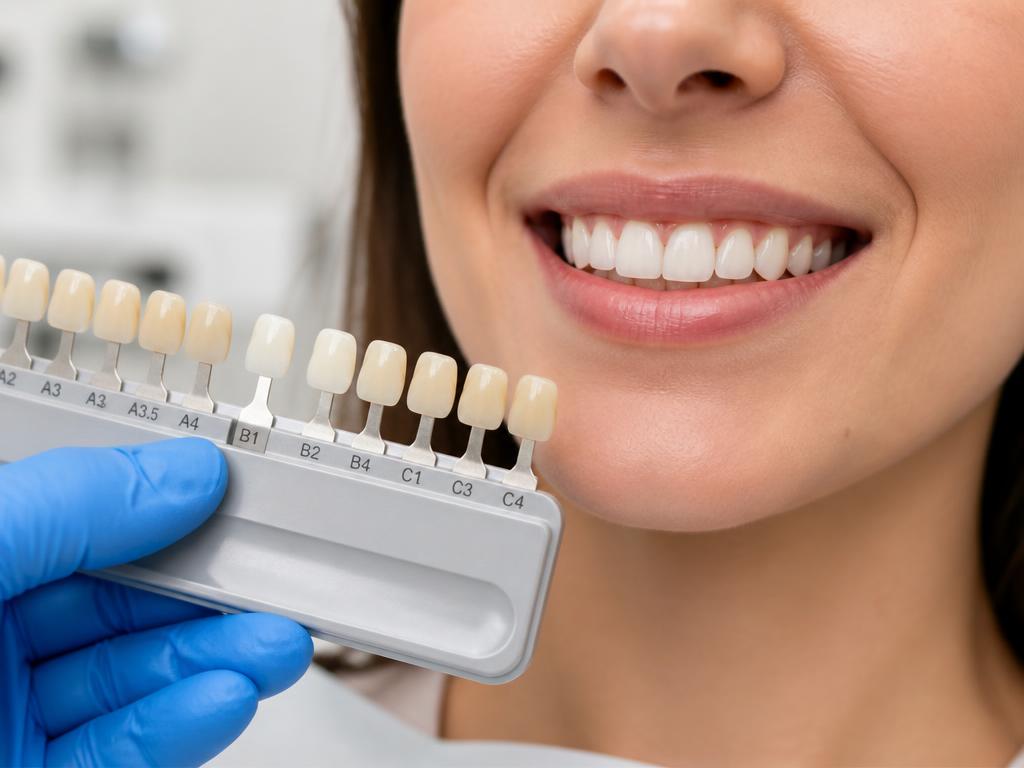
A dentist matching a tooth shade guide to a patient’s smile before composite bonding
restorativecosmetic

Bonding & White Fillings

Cracks, gaps, stains and post-cavity fillings · usually lasts over 10 years

Bonding is a popular method to enhance the aesthetics of your smile. Bonding can be used to correct cracks or gaps in teeth as a filling after a cavity has been removed, or to cover up stains or discolored teeth.

A composite resin is used on the affected tooth or teeth. It is molded and sculpted over an adhesive gel that is placed on the tooth. After the resin has been applied an ultraviolet light is used to harden the resin, which is then polished to give you a fresh, new smile.

Bonding is an obvious improvement over unsightly silver amalgam fillings. With the advancements in dental technology, bonding usually lasts for over 10 years. It is a safe, affordable, and attractive solution for many dental problems.

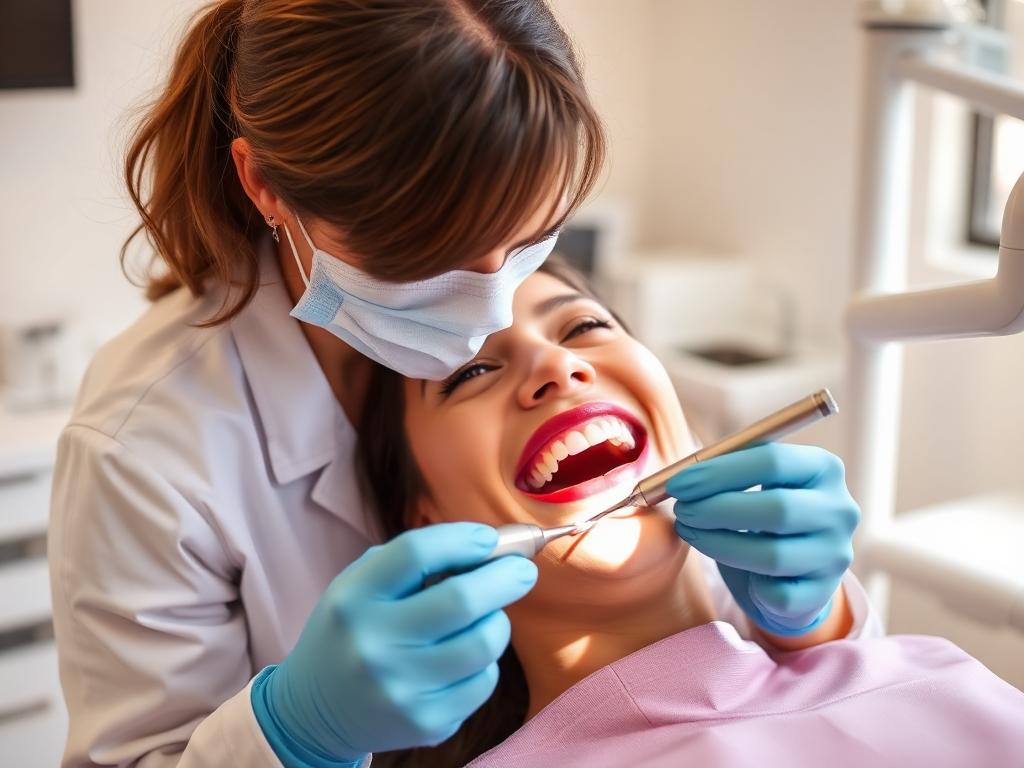
A hygienist cleaning a patient’s teeth with an ultrasonic scaler
preventive

Dental Hygiene & Periodontal Health

Cleanings, periodontal treatment and a home routine that holds up

While at our office, we make sure that you receive the highest level of service and ensure that our dental work is of the highest quality. To ensure that you maintain great oral health, this level of quality needs to extend into your personal oral hygiene routine. We can help you establish a dental hygiene routine that will keep your teeth healthy and white. If you have any questions about your current hygiene plan please ask us.

Your teeth are not the only important part of your mouth. Your gums are essential to oral hygiene as well. We can provide periodontal cleanings and treatment, or refer you to one of our recommended specialists. Please let us know if you have any questions.

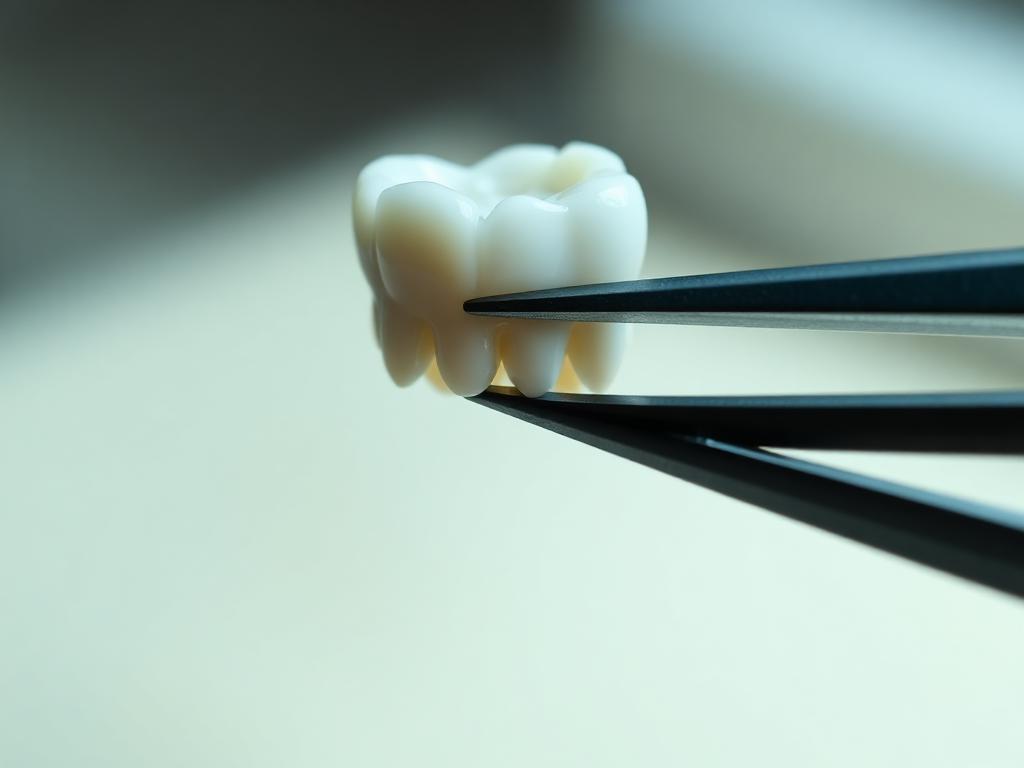
A single all-ceramic dental crown held in tweezers
restorative

Crowns

2–3 visits · porcelain, porcelain-fused-to-metal or gold · lasts about 10–15 years

Over time our teeth begin to weaken and become more susceptible to problems such as decay, cracks, discoloration and others. If you feel your smile isn't what it once was, crowns can help you recover your smile. If your dentist notices that a tooth is decayed or seems weakened or cracked, a crown may be necessary to make sure that there are no additional problems with the tooth. In cases like this a filling or bonding will not be sufficient.

Crowns can be made from porcelain, porcelain fused to metal, or a full gold crown. To maintain a natural look and feel a porcelain finished crown is best, as it can be matched to the shade of your other teeth. This will allow it to blend in and appear just like one of your natural teeth.

The process of installing a crown takes 2–3 visits to the dentist. On the first visit the tooth will be reshaped by filing down the enamel so that the crown can be placed over it. You will be given a local anesthetic before this part of the procedure so that you do not experience any discomfort. Once the tooth has been reshaped, a mold will be taken of that tooth and the surrounding teeth. This mold will be sent to a dental lab so that your new crown can be made so that it fits in the spot created for it and looks the same relative to the surrounding teeth. Before leaving, your dentist will fit you with a temporary crown until your permanent crown is ready.

The crown takes about 2–3 weeks to be returned to your dentist. At this time you will have another appointment to place and fit the permanent crown. You will again have a local anesthetic to numb the area and the tooth will be placed using a cement to ensure the tooth sets in place. When you look in the mirror, you will see your old smile back. Crowns are durable and will usually last about 10–15 years. You should care for it as you would any of your other teeth with regular brushing and flossing. Call us today if you would like to learn more about how crowns can help restore your smile.

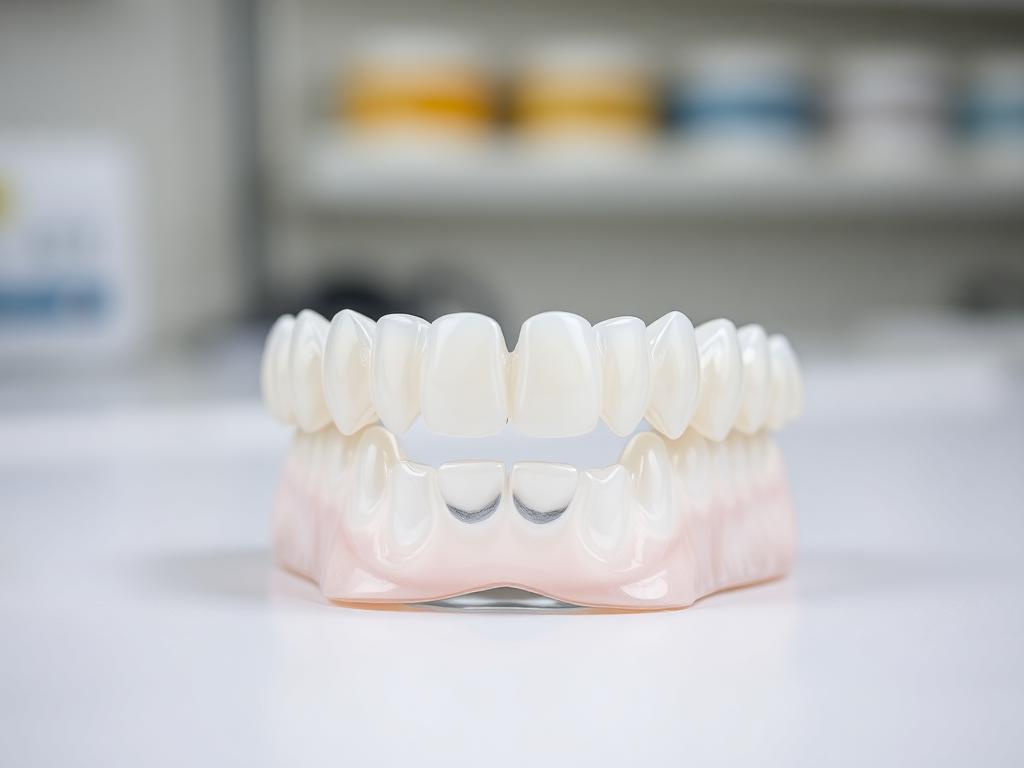
A three-unit dental bridge seated over two prepared abutment teeth
restorative

Bridges

Two crowns and a pontic · temporary bridge fitted while the lab works

Dental bridges are a great way to replace missing teeth. Your existing teeth are used to literally create a bridge to cross the area where your tooth is missing. Bridges are made from gold, metal, alloys, or porcelain to ensure that they are strong and durable.

The process of creating a bridge begins by creating abutments out of your existing teeth where the bridge will be attached. The existing teeth are recontoured to provide a base for the bridge. After the abutments have been created, a mold is taken of the area which is sent to a dental lab. The lab is able to use the mold to create a bridge that will fit properly and feel as close to your natural teeth as possible. The bridge consists of two crowns on either end to place on the abutments and a pontic, which is the new tooth that replaces your missing tooth.

We will fit you with a temporary bridge while we wait for the lab to craft your permanent bridge. This will protect the abutments and the exposed gum areas and look more appealing than having a missing tooth. When the permanent bridge has been created, you will have a follow up visit to set the bridge. It will be placed on the abutments and the dentist will then use an adhesive to make sure that the bridge is set.

The bridge may take a little while to get used to, but after a few days it should feel like you have your own teeth back again. You should eat soft foods for the first few days after having your bridge placed. After the initial phase, you will be able to eat whatever you want with no issues.

If you are missing a tooth you should strongly consider having it replaced. Besides the aesthetic disadvantage of missing a tooth, it could also cause structural changes to your mouth and jaw, as well as making it difficult to eat or speak properly. Set up an appointment today to restore your smile.

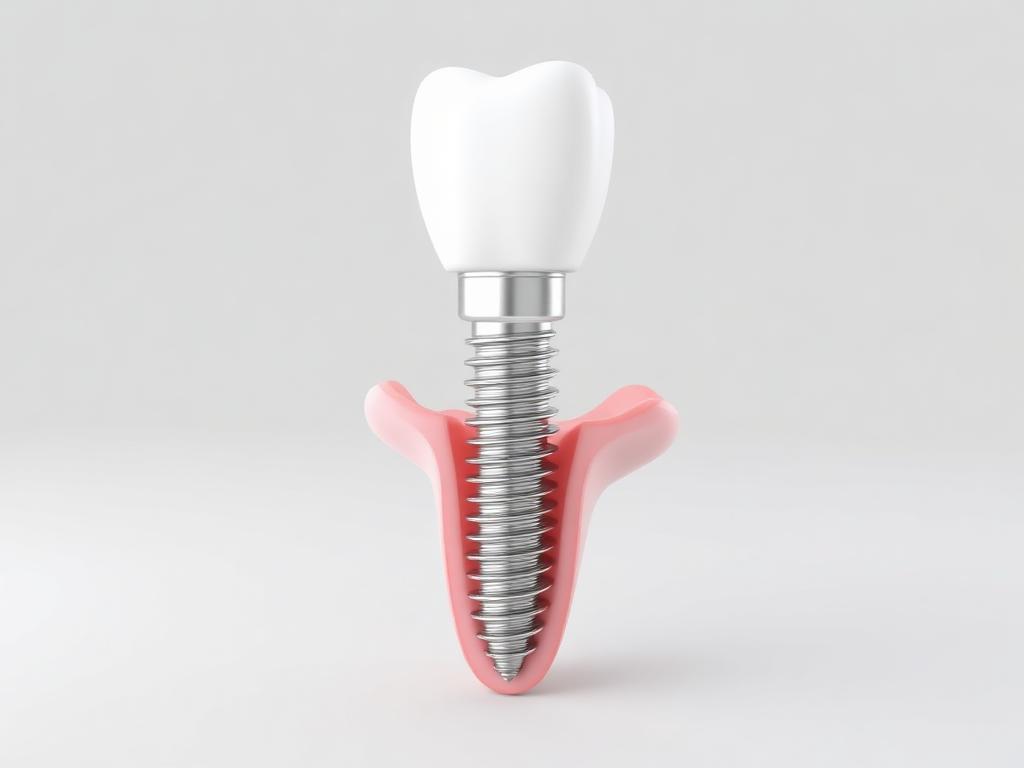
Cross-section of a titanium dental implant, abutment and ceramic crown in the jaw bone
restorative

Dental Implants

Permanent replacement · 3–6 months to heal · no neighbouring teeth altered

Dental implants are a permanent and appealing solution to replace missing or extracted teeth. They are better than other alternatives like bridges because no additional teeth need to be altered to place the new tooth.

The entire implant process is performed over the course of a few months. The first part of the process is to install the implant itself, where a screw is placed into the jaw bone. An incision is made in the gum so that the implant can be inserted. Multiple implants can be placed at once if necessary. After the implants are placed the gums are sutured.

The implant must be allowed about 3–6 months to heal, and during this time the jaw bone will form around the implant in a process called osseointegration. During this healing time you can have temporary crowns installed so that you can eat and speak normally and maintain a proper aesthetic appearance for your smile.

After the implant has healed it is time to place an abutment on the implant. The abutment serves as the base for your new tooth. Once this is placed, an impression of the abutment is taken and is used to create your permanent restoration. Some offices have an onsite lab to create the crown, but others will have to send it to an outside lab. Once the restoration is completed you can return to the office to attach the restoration permanently. Your smile will look just like it used to, and after a short period of getting used to the implant it will feel just like one of your own teeth.

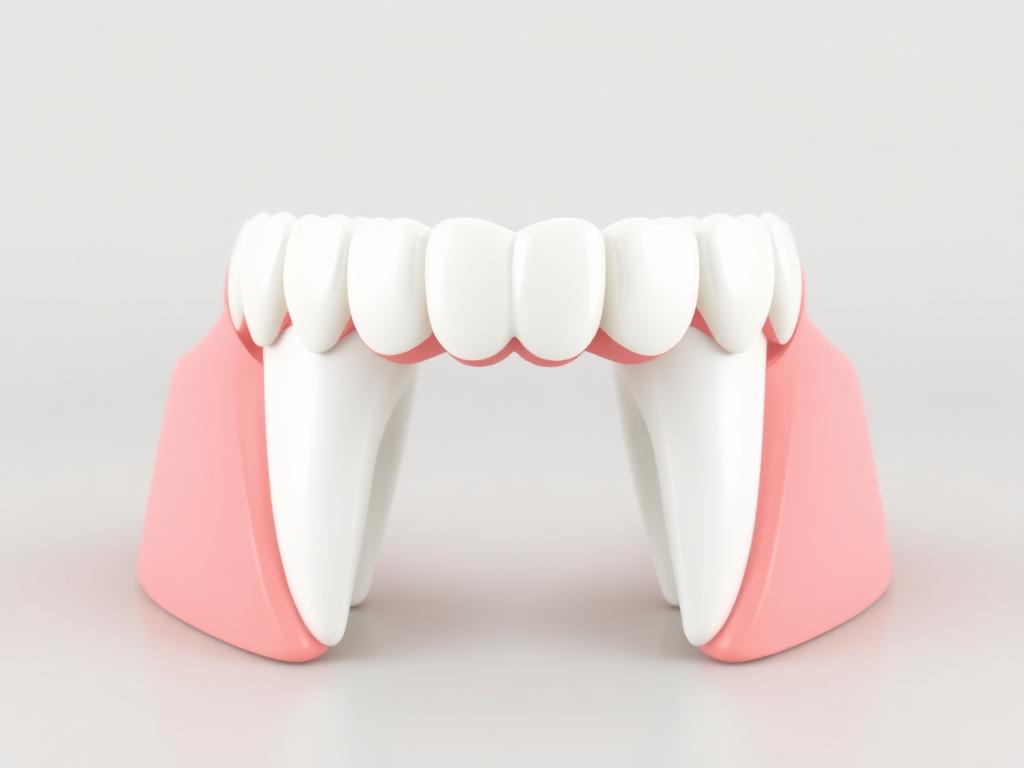
A complete set of upper and lower acrylic dentures
restorative

Dentures

Conventional full, immediate full, or partial

Dentures are a replacement for missing teeth that can be removed and put back into your mouth as you please. Depending on each individual patient case, they may receive full or partial dentures. Full dentures are used when all of the natural teeth are removed from the mouth and replaced with a full set of dentures. There are two types of full dentures.

  • Conventional Full Dentures — this is when all the teeth are removed and the tissue is given time to heal before the dentures are placed. It could take a few months for the gum tissue to heal completely, and during this time you will be without teeth.
  • Immediate Full Dentures — prior to having your teeth removed, your dentist takes measurements and has dentures fitted for your mouth. After removing the teeth, the dentures are immediately placed in your mouth. The benefit is that you do not have to spend any time without teeth. You will, however, need to have a follow up visit to refit your dentures because the jaw bone will slightly change shape as your mouth heals. The dentures will need to be tightened after the jaw bone has healed.

Partial dentures are another option when not all of your teeth need to be removed. This is similar to a bridge, but it is not a permanent fixture in your mouth.

Your dentures may take some time to get used to. The flesh coloured base of the dentures is placed over your gums. Some people say that it feels bulky or that they don't have enough room for their tongue. Other times the dentures might feel loose. These feelings will affect the way you eat and talk for a little while. Over time, your mouth becomes trained to eat and speak with your dentures and they begin to feel more and more like your natural teeth. They may never feel perfectly comfortable, but it is much better than the alternative of not having teeth.

Even though dentures are not real teeth, you should care for them like they are. You should brush them to remove plaque and food particles before removing your dentures. After they have been removed you should place them directly into room temperature water or a denture cleaning solution. Never use hot water because it could warp the dentures. Your dentures are delicate, so make sure you are careful when handling them so you don't drop them. Also, never try to adjust your dentures yourself. You could ruin them, so you should always seek assistance from your dentist if they feel uncomfortable or loose.

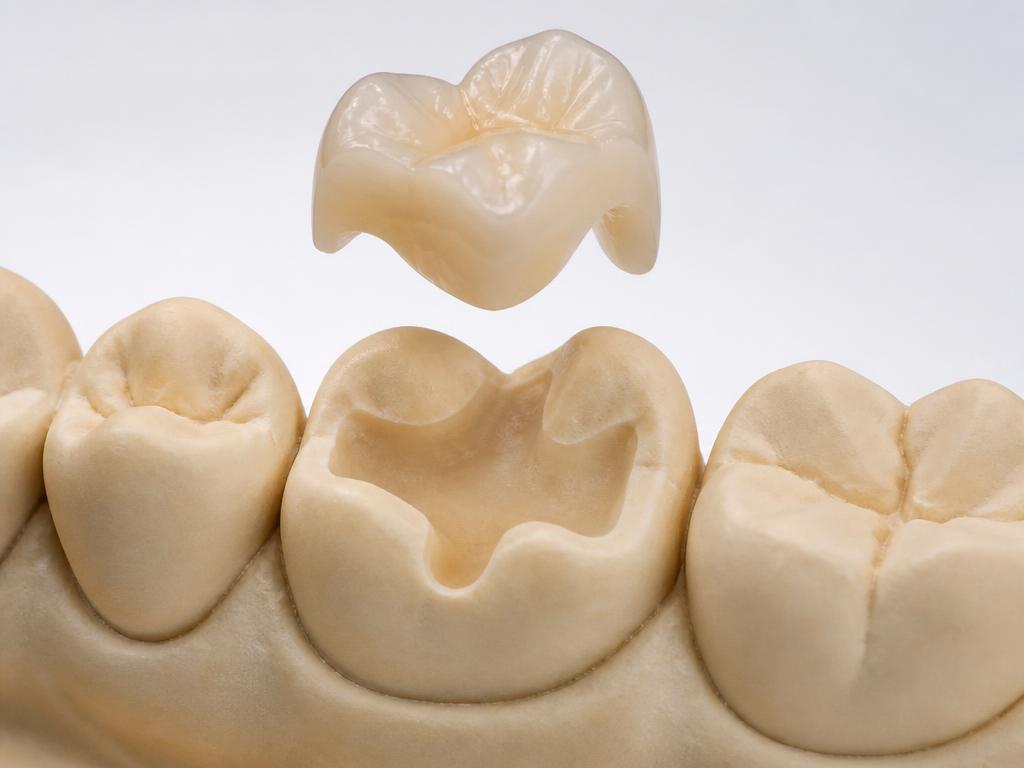
A porcelain onlay positioned above the prepared chewing surface of a molar
restorative

Inlays & Onlays

Partial crowns · about 2–3 weeks at the lab · porcelain, gold or composite

Inlays and onlays are often referred to as partial crowns. They use the existing tooth as a base and fit the inlay or onlay onto the tooth. This is done to strengthen the tooth, restore its shape, and prevent further damage. An inlay is done when there is no damage to the cusps of the tooth and the inlay can be placed right on the tooth. An onlay is used when the damage is a little more extensive.

The decayed area of the tooth is first removed during the procedure. A mold of the tooth is then taken and sent to a dental lab. They create a restoration made from porcelain, gold, or a composite resin. The restoration takes about 2–3 weeks to make, so a temporary inlay or onlay will be placed on the tooth for that time. During your next visit the inlay or onlay will be placed into your mouth and set with cement. Your tooth will look natural and you or anyone else won't be able to tell the difference.

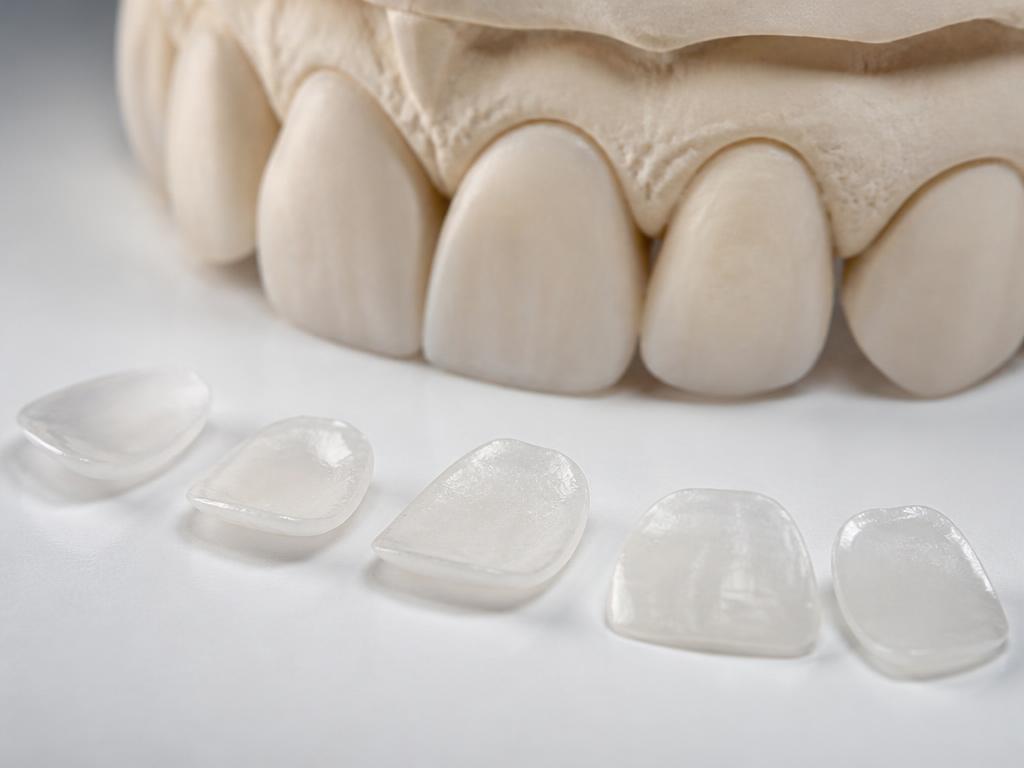
Ultra-thin porcelain veneer shells beside a model of upper front teeth
cosmetic

Veneers

2–3 visits · 10–14 days at the lab · temporaries fitted in between

Veneers are an excellent way to redesign and reshape your entire mouth. Veneers are a very thin ceramic shell that covers your existing tooth structure. In placing these new veneers on your teeth, you are able to fix the look of issues such as staining, cracked teeth, spaces, misaligned teeth, chipped teeth and many other issues.

In terms of the process to place veneers, it is a process that takes approximately two to three visits. In the first visit, we will discuss the new shape and look of what we are going to accomplish by placing the veneers. Once we have put a plan in place, we will carefully prepare the teeth for the placement of the new veneers. As we complete this piece of the process, the next step is to take an impression of the newly prepared teeth. This impression will be sent to our laboratory for the final product to be fabricated. We only utilize the highest standard laboratory for fabrication of all of our work. This process at the laboratory takes between 10–14 days. While the new veneers are being fabricated at the lab, we will provide you with a beautiful temporary solution to wear for this time.

As the veneers are finalized, we will make every effort to make sure that your new veneers will feel just like your natural teeth. We will bond them into place ensuring that you can enjoy your new smile for a very long time!

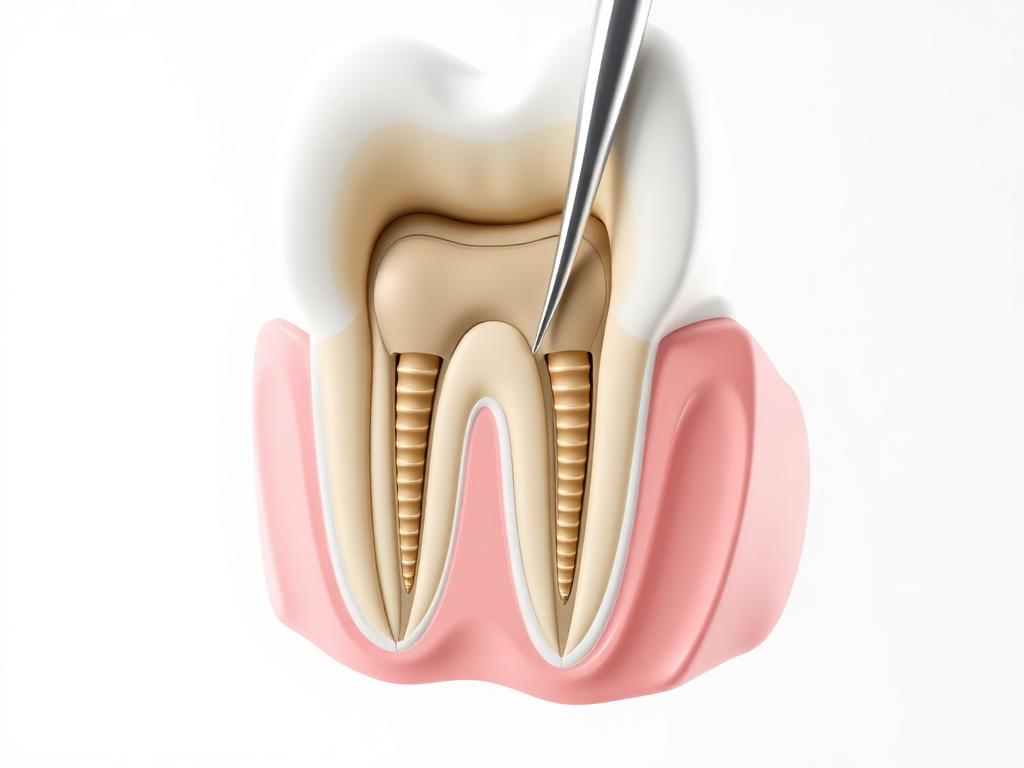
Cross-section of a molar during root canal treatment showing the cleaned canals
restorative

Root Canals

Infected nerve removed and sealed · a crown is strongly recommended afterwards

Endodontics is the dental specialty that deals with the nerves of the teeth. Root canals are probably the most notorious procedure in dentistry and the most common procedure relating to endodontics. When a tooth becomes infected it is usually related to the nerves in the root of the tooth. The infected nerves need to be removed. If left untreated an infection can turn into an abscess, which is a much more serious problem that includes bone loss in the jaw.

The area around the tooth is numbed with a local anesthetic to start the procedure. The dentist will then drill down into the tooth to create an opening into the canal. They will then be able to remove infected tissue and clean the canal. After the infection has been removed, the space is filled with a sealant called gutta percha. It is highly recommended that a tooth that has undergone a root canal is fitted with a crown. This will improve the appearance of the tooth, and will also make it much more likely that the root canal is successful.

"Root canal" has become a scary term for dental patients to hear, but the benefits of the procedure and advances in dental technology have made it much less scary. Local anesthetics and proper pain medication allow the procedure to be performed with little to no pain in most cases. There may be some soreness following the procedure, but that is normal for most dental procedures. Over the counter painkillers are usually enough to relieve any pain afterwards, but your dentist may prescribe medication. The procedure will also relieve you from pain caused by the infection, allowing you to enjoy all the foods you love without any pain from heat, cold, or biting too hard. If you are experiencing pain, consult your dentist today.

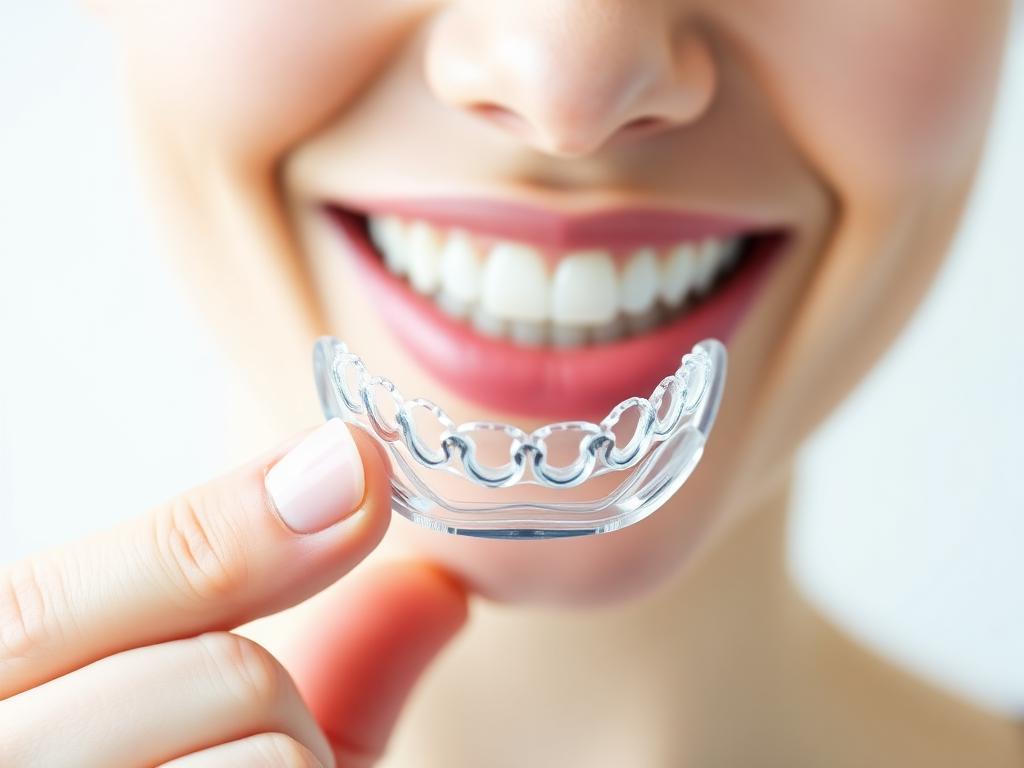
A patient holding a clear removable orthodontic aligner in front of their smile
orthocosmetic

Invisalign

Clear removable aligners · both dentists are Invisalign certified

Invisalign is a system of straightening teeth without the use of conventional braces. A series of clear plastic aligners are utilized to create tooth movement. Moving teeth with removable aligners is not new. However, the computer program, which can generate a series of aligners with small changes, is the new part.

Invisalign is recommended for orthodontic situations with mild to moderate spacing or crowding. They are virtually undetectable, easy to use and comfortable to wear.

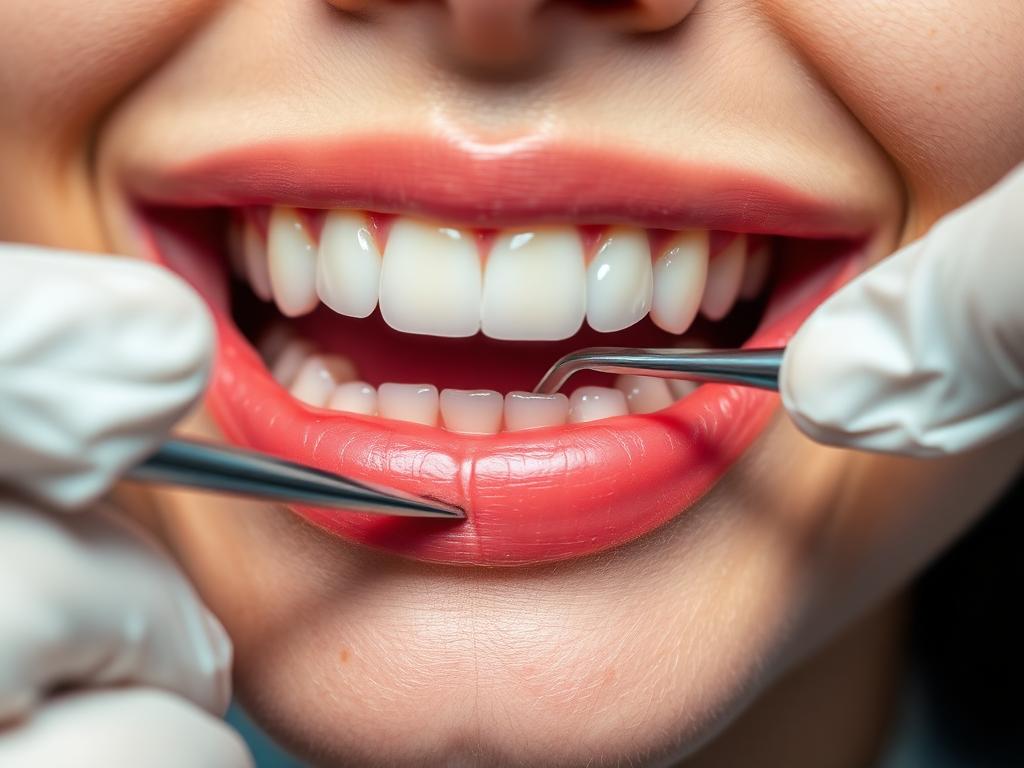
A dentist examining the gum line around the upper front teeth
restorativecosmetic

Crown Lengthening

Reshapes gum and bone to expose more tooth — restorative or for a "gummy" smile

When decay occurs below the gumline, it may be necessary to remove a small amount of bone and gum tissue. Your dentist may ask for this procedure before he or she makes a new crown for your tooth.

Crown lengthening procedures are done for both restorative dentistry and to improve the esthetics of your gum line. General practitioners often refer for crown lengthening procedures prior to restoration of broken or severely decayed teeth. This procedure adjusts the gum and bone level to expose more of the tooth so it can be restored.

Sometimes crown lengthening is done to improve a "gummy" smile because the teeth appear short. The teeth may actually be the proper length but excess gum tissue may be covering these teeth. During this procedure, excess gum and bone tissue is reshaped to expose more of the natural tooth.

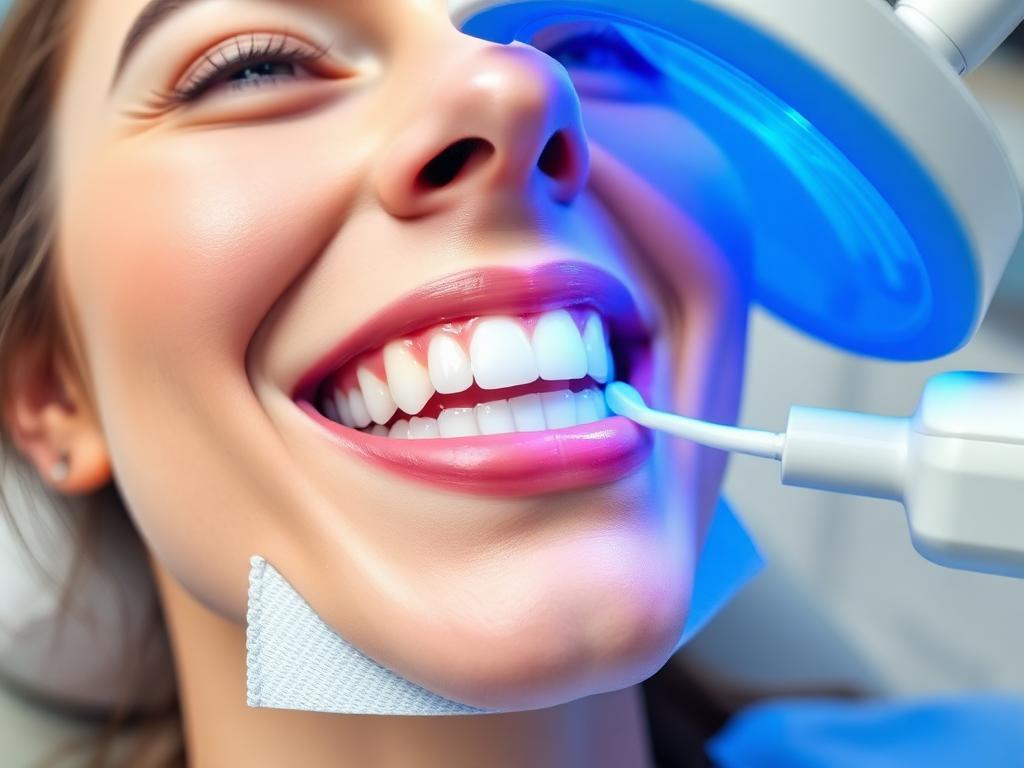
In-office chairside whitening with gel and a blue activation lamp
cosmetic

ZOOM! Whitening

Chairside · 6–10 shades whiter in about an hour

Keeping our teeth their whitest is a lot harder than it sounds. With all the coffee, wine, smoking and other foods that have the ability to stain our teeth on a daily basis, even proper maintenance sometimes leaves them a little lackluster. Teeth whitening is an excellent way to restore the natural color of your teeth or even make them whiter than your natural color if you would like.

To accomplish the whitening of your teeth, we utilize a product called ZOOM!. ZOOM! is a chairside whitening procedure that uses a safe whitening gel and a low intensity light to activate the gel. This combination allows us to provide you with teeth that are 6–10 shades whiter in about an hour!

In-office technology

Advanced tools, gentler visits

Digital, paperless and built for accurate diagnosis with less chair time.

Intraoral Scanner

Intraoral Scanner

No impressions

When compared to the traditional molding techniques that often cause high levels of discomfort in patients, the dental intraoral scanner offers a far more quick and convenient method of getting an accurate image of a patient's teeth in order to create an impression. Instead of forcing a patient to remain seated in a chair for fifteen minutes to complete the impression procedure, the dental intraoral technology can scan teeth wirelessly in a matter of seconds and without the use of powder, which helps save time and decrease patient discomfort to a large degree.

The dental intraoral scanners allow dentists to display a patient's 3D impression of their teeth on a screen almost immediately after the scan is complete. After seeing an up-close view of a digital impression, patients can grasp a better understanding of the condition of their teeth. The scanner also develops impressions in full colour to aid the dialogue between the dentist and his or her patient, and improve treatment.

Intraoral Camera

Intraoral Camera

See it for yourself

The intraoral camera is an amazing diagnostic tool for viewing different angles in the mouth that we would not have been able to just a few years ago. The camera gives us the ability to view the entire mouth on a monitor so that we can get a closer look at any potential issues or problems that may arise.

In addition, the patient will have the ability to see for themselves first hand the same images we are seeing. These digital images are also excellent for gaining procedure acceptance from insurance companies.

Digital X-Rays

Digital X-Rays

Nearly 80% less radiation

Digital x-rays are quickly becoming adopted by a large percentage of the dental industry. A digital x-ray allows the dentist to take an image of the tooth or teeth and put it into an imaging program. Within this imaging program, there are a number of tools that will allow the dentist to take a very close look at the teeth and surrounding structures with amazing accuracy.

As a benefit to the patient, the digital x-ray also provides nearly 80% less radiation than a standard x-ray. This is due to the fact that the digital version of the x-ray is much more sensitive to this radiation and has been specifically designed with the patient in mind.

Rotary Endodontics

Rotary Endodontics

Faster root canals

Endodontics, more commonly known as root canal, is a procedure where the roots or nerves of the tooth are removed. This is often due to the fact that they are infected and the tooth is causing pain.

Rotary endodontics is a way of performing the root canal utilizing a specific electrical handpiece. This tool often makes the process faster and allows the dentist to perform the process with greater ease.

Zoom Whitening

Zoom Whitening

Up to eight shades in 45 minutes

Your smile is the way you greet the world. While you have many options for whitening your teeth, your dentist is your best resource for whitening treatments. Only dental professionals have access to the most powerful, professional-strength whitening and can ensure your treatment is safe and your results are outstanding.

With Zoom in-office whitening treatments, teeth can be up to eight shades whiter in 45 minutes.

Velscope

Velscope

Oral cancer screening

The VELscope Vx is the most powerful tool available for assisting in the discovery of oral abnormalities. The VELscope's distinctive blue-spectrum light causes the soft tissues of the mouth to naturally fluoresce. Healthy tissues fluoresce in distinctive patterns — patterns that are visibly disrupted by trauma or disease. Using the VELscope, a wide variety of oral abnormalities can be discovered, often before they're visible to the unassisted eye.

Discovering soft tissue abnormalities is particularly important in the fight against oral cancer. Because the VELscope Vx assists in early detection, cancer can be caught before it has time to spread, potentially saving lives through less invasive, more effective treatment.

LaserUsed in soft tissue procedures where it helps precision and comfort.
State of the art sterilizationInstrument reprocessing to current standards on every instrument, every visit.
Fully computerized (paperless)Your chart, images and treatment plan follow you between both offices.
HIPAA compliantYour health information is handled under federal privacy rules.

Our offices

Two convenient New Jersey locations

One paperless chart between both offices, so your records follow you.

Tinton Falls Office

Monmouth County

Main office

Office hours

Monday
10:00 am – 4:00 pm
Tuesday
10:00 am – 4:00 pm
Wednesday
10:00 am – 8:00 pm
Thursday
10:00 am – 8:00 pm
Friday
10:00 am – 2:00 pm
Saturday
9:00 am – 3:00 pm
Sunday
Closed
Get directions

Good to know

Frequently asked questions

Still unsure about something? Call either office and we'll walk you through it.

Do you take my insurance?

Most insurances are accepted. Because plans differ so much from employer to employer, the quickest answer is a phone call — have your card handy and we will check your plan with you before you book.

Can I be seen outside of normal working hours?

Yes. Evening and Saturday appointments are available at both offices, which is what makes the practice workable for families and for anyone who cannot take time off during the day.

How long will I be sitting in the waiting room?

Our schedule is built around no waiting. Appointments are spaced so you are seen at the time you booked rather than stacked behind other patients.

Do I still have to bite into a tray of impression material?

No. We use an intraoral scanner instead, which captures your teeth in seconds without powder or trays, and shows you a full-colour 3D model on screen straight away.

Do you treat children?

Yes — children's dentistry is part of what we do, and both dentists have experience treating young patients. Families are welcome to book together at either office.

Can I switch between the Tinton Falls and Parlin offices?

You can. The practice is fully computerized and paperless, so your chart, images and treatment plan travel with you between the two offices.

How do I book?

Call the office you would like to visit, or send an appointment request below and a team member will call you back to confirm a time.

Request an appointment

Let's get you on the schedule

Send a request and we'll call you back to confirm a time. Prefer to talk now? Both offices answer during business hours.

  • Most insurances accepted
  • Evening & Saturday appointments
  • New patients welcome
5.089 Google reviews

This form isn't for emergencies. For urgent dental issues, please call the office.